
EnergAIze
AI-driven network energy efficiency
Demand doesn’t stay still
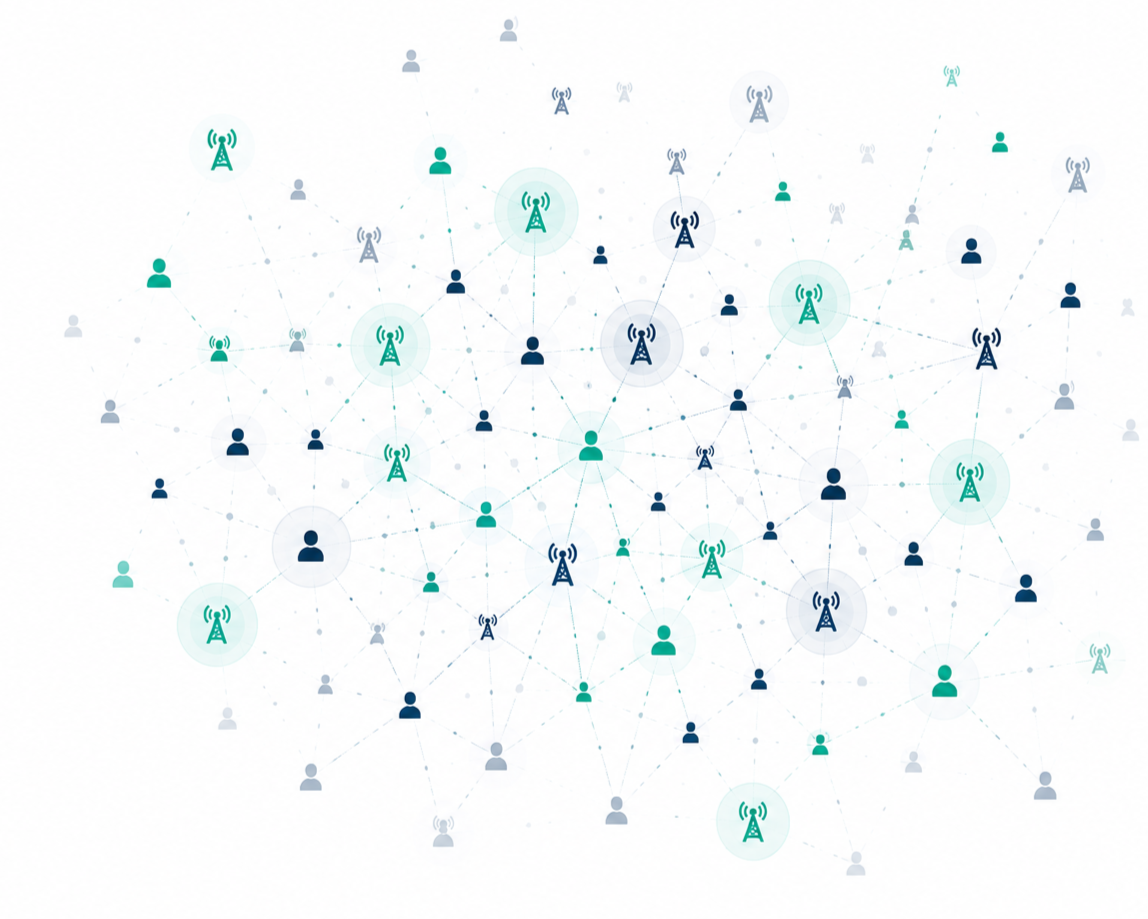
Network traffic is constantly shifting across locations, times, and services.
What looks stable at a high level is actually lots of small changes happening all the time.
And those patterns aren’t the same everywhere.
A dense city behaves very differently from a low-traffic area.
That’s what makes managing demand difficult.
So everything stays on, just in case
So everything stays on, just in case
Built for peaks
Networks are designed for demand spikes.
So capacity stays on, even when it isn’t needed.
Everything keeps running
To avoid service drops, resources stay active regardless of real demand.
It’s reliable, but inefficient.
Efficiency hits a limit
Most optimisation relies on schedules or averages.
That keeps savings low, because pushing further introduces risk.
Predict first. Then act.
Predict first. Then act.
That’s where EnergAIze comes in.
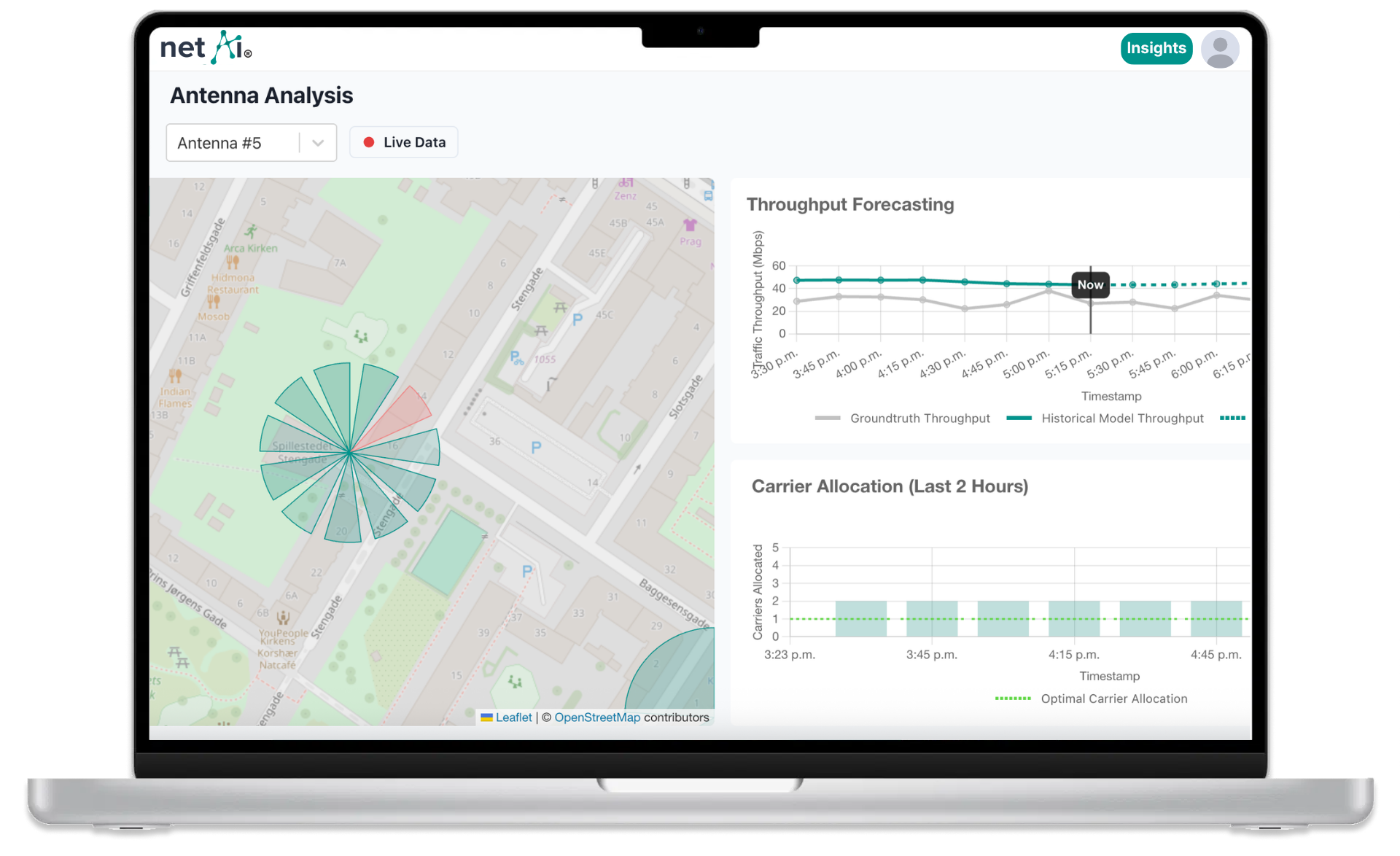
It learns how demand behaves across the network by analysing traffic at antenna level, across time and location.

From that, it predicts what demand will look like in the next few minutes.

Those predictions determine how many RF carriers should be active at each cell.

And the system applies those changes automatically.
Less energy, same performance
Less energy, same performance
When capacity matches real demand, you stop paying for resources you don’t need.
That leads to lower energy consumption, lower operating costs, and a smaller carbon footprint.
In a live urban deployment with over 270 antennas, EnergAIze delivered up to 60% energy reduction while maintaining 99.8% accessibility.
And those savings aren’t limited to quiet hours. They happen throughout the day.
Built for real networks
EnergAIze integrates directly into existing network environments.
It can run at the edge or at aggregation points, depending on how the network is set up.
It’s compatible with O-RAN architectures and already integrated with VMware’s Distributed RAN Intelligent Controller.
No infrastructure rebuild.
No disruption to day-to-day operations.